
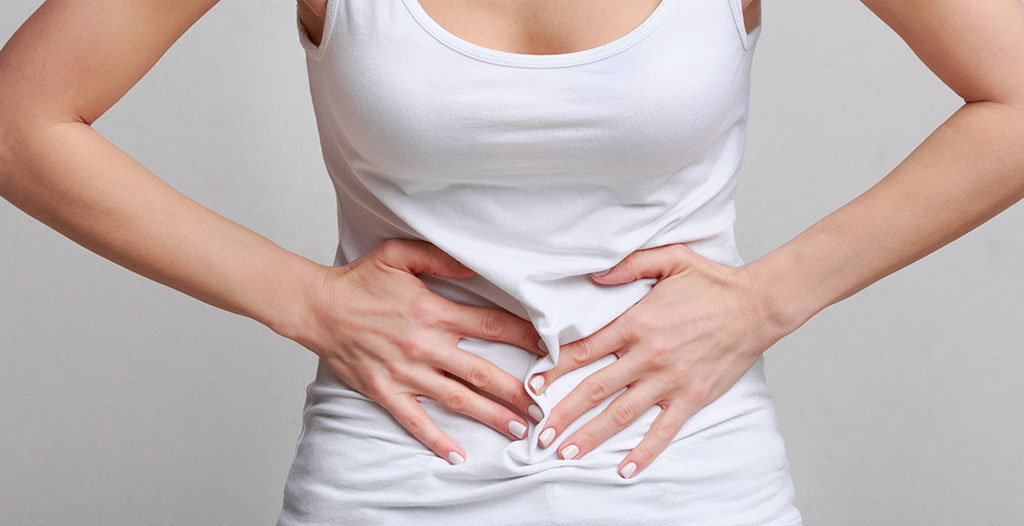
If you’ve noticed more bloating, food sensitivities, constipation, or digestive discomfort in your late 30s or 40s, you’re not imagining it. Gut changes are incredibly common during perimenopause — and they are often closely tied to hormone shifts, inflammation, and metabolic health.
As a naturopathic doctor, I see this pattern often: women who feel hormonally off, inflamed, or fatigued, but don’t realize that gut health is a key piece of the puzzle. The digestive system doesn’t just process food — it plays a central role in hormone balance, detoxification, and immune regulation.
Let’s explore how gut health changes in perimenopause, why it matters, and how to support it in a way that feels sustainable and grounded.
How Perimenopause Affects Gut Health
Perimenopause is a time of hormonal fluctuation, particularly in estrogen and progesterone. These hormones don’t just influence the reproductive system — they also affect digestion, gut motility, and the microbiome.
During this transition, many women experience:
- Slower digestion or constipation
- Increased bloating
- New or worsening food sensitivities
- Changes in appetite or cravings
This happens because estrogen and progesterone both interact with:
- Gut motility (how quickly food moves through the digestive tract)
- The gut microbiome
- The integrity of the gut lining
When hormones shift, the gut often follows.
The Gut–Hormone Connection
The gut plays a critical role in hormone metabolism — particularly estrogen.
After estrogen is processed by the liver, it is sent to the digestive system for elimination. A healthy gut ensures that estrogen is properly excreted. When gut function is impaired:
- Estrogen can be reabsorbed rather than eliminated
- Inflammatory estrogen metabolites may increase
- Hormone symptoms can worsen
This is one reason digestive symptoms and hormone symptoms often appear together.
Gut Health, Inflammation, and Symptoms
When gut integrity is compromised, inflammatory compounds can enter circulation and activate the immune system.
This can contribute to:
- Fatigue
- Brain fog
- Joint discomfort
- Hormonal imbalance
- Weight changes
In this way, gut health becomes a central driver of how the entire body feels and functions.

Book your Discovery Call today
This complimentary call is an opportunity to explore your symptoms, understand how your gut and hormones may be connected, and see whether a naturopathic approach is the right fit.
The Liver–Gut Axis in Perimenopause
The liver and gut work closely together to support detoxification and hormone balance.
If digestion is sluggish or elimination is incomplete:
- Estrogen clearance is impaired
- Toxins are reabsorbed
- Inflammatory load increases
This is why supporting both the liver and gut is essential — they function as a system, not in isolation.
Why Gut Symptoms Often Appear “Out of Nowhere”
Many women feel frustrated because digestive symptoms seem to develop suddenly, even without major dietary changes.
In reality, this reflects:
- Cumulative stress
- Hormonal shifts
- Changes in microbiome diversity
- Slower detoxification pathways
The body is not suddenly “failing.” It is adapting to a new physiological environment.
A Naturopathic Approach to Gut Health in Perimenopause
At Dr. Kristy Lewis & Associates, we don’t treat gut symptoms in isolation. We look at how digestion connects to hormones, metabolism, and stress.
Support often includes:
- Stabilizing blood sugar
- Supporting liver detox pathways
- Improving gut motility
- Reducing inflammatory triggers
- Restoring microbiome balance
This approach is not about restriction — it’s about restoring function.
The Role of Nutrition and Lifestyle
Gut health improves when the body receives consistent, supportive inputs.
This often includes:
- Adequate protein and fiber
- Hydration
- Regular meals
- Stress regulation
- Gentle movement
Extreme diets or restrictive protocols often worsen gut symptoms over time by increasing stress and reducing microbial diversity.
The Bottom Line
Gut health is deeply connected to hormone balance, inflammation, and metabolic function — especially during perimenopause.
If you’re experiencing digestive symptoms alongside fatigue, hormonal changes, or weight shifts, your gut may be playing a more central role than you realize.
Supporting gut health in a gentle, consistent way often leads to:
- Improved digestion
- Better hormone balance
- Reduced inflammation
- More stable energy
And most importantly, a greater sense of ease in your body.
Ready for Support?
If you’re navigating perimenopause and struggling with gut symptoms, bloating, or inflammation, you don’t have to figure it out alone.
Book your Discovery Call today
This complimentary call is an opportunity to explore your symptoms, understand how your gut and hormones may be connected, and see whether a naturopathic approach is the right fit.